Public goods are defined as those which are ‘not subtractible’ – i.e. if one person uses some, this doesn’t reduce the amount available for others to use. Knowledge, social trust, and enjoyment of public space and the natural world are classic non-subtractible goods. Subtractible resources, such as cake, result in less being available for others if one person uses it.
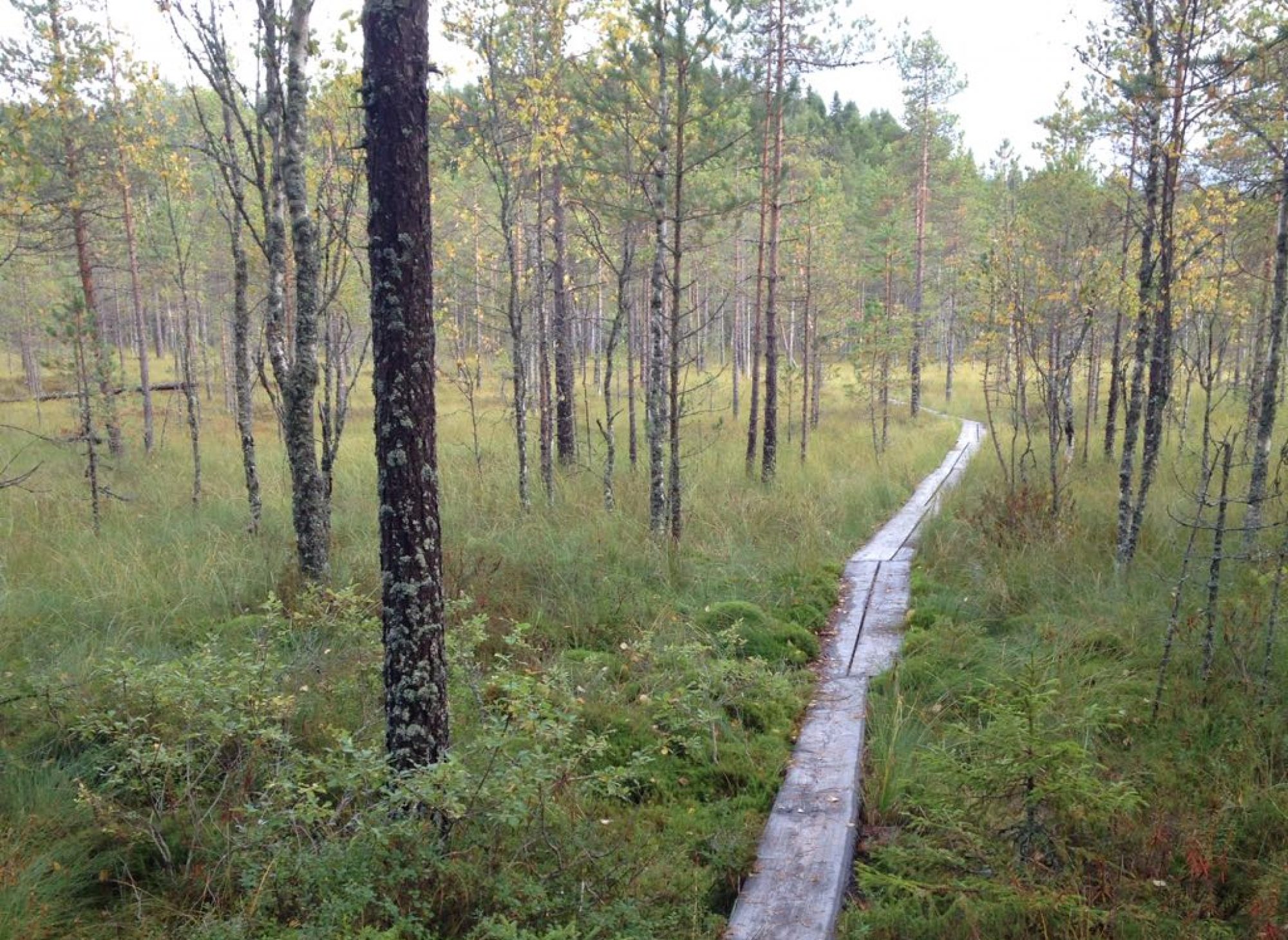
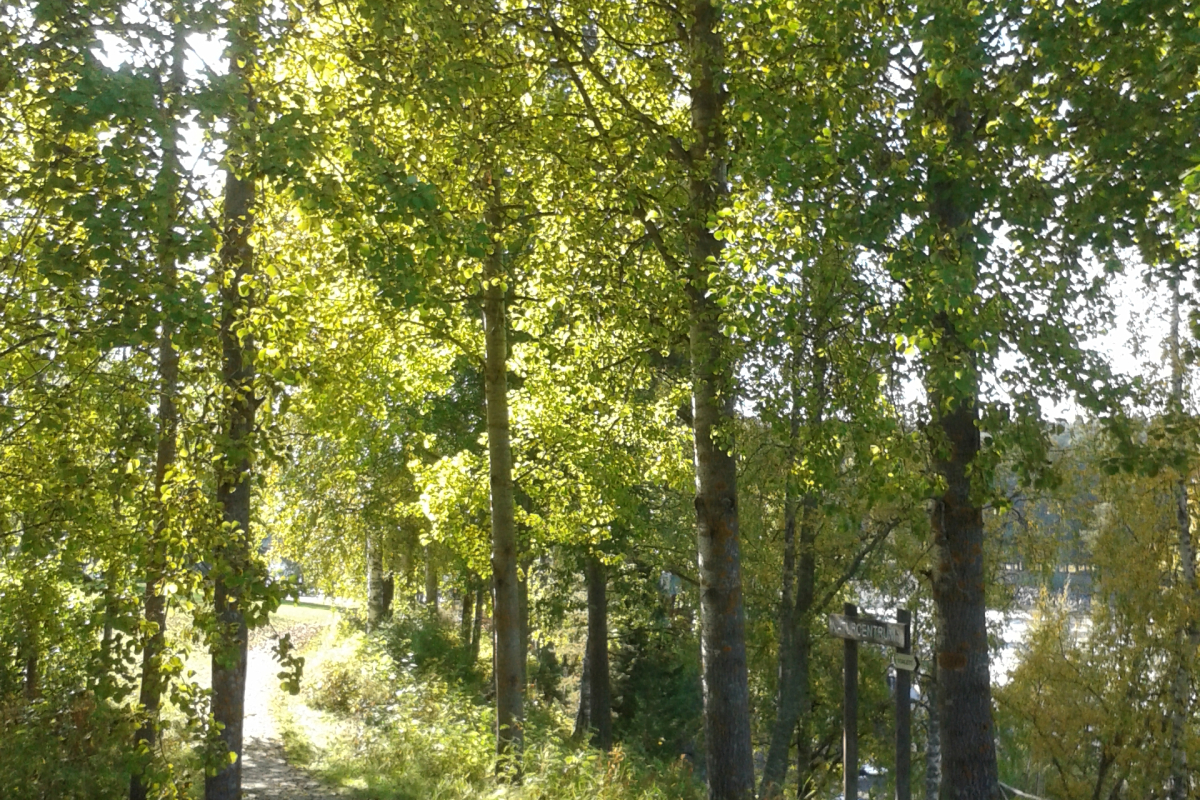
The subtractibility of a particular resources appears to be an objective fact. Cake is subtractible, knowledge is not. However, for many things, the way in which we use it, share it, or derive yields from it can affect how subtractible it is. Land, for example, is finite. But the way we allocate property rights, or interact with the land, can be more or less subtractible. One person walking over a field does not reduce the availability of that field for another to walk over. One person deeply enjoying the beauty of an ancient oak tree does not in any way reduce the availability of that tree for experiences of wonder by other people – indeed it may even enhance it. A property owner of land excluding others from accessing it, or clear-felling trees for timber is subtractible.
In a world where overconsumption is leading to major environmental crisis, the more we are able to experience the abundance of non-subtractible resources, the more we can live in prosperity without damaging the environment. The more we, as a society, value the non-subtractible, the less we are headed towards the cliff-face of environmental disaster. However, our economic system is one which emphasises exclusive private property and exchange value over sharing and abundance of use-value. In a capitalist market economy, private goods, defined as subtractible and excludable resources, are overproduced, and public goods, which are non-subtractible, are underproduced. This has foundational implications for the way in which we interact with the environment and overconsume.
Property relations and the role of the market, exchange and throughput in our economic system are an important part of this. At the same time, we can personally cultivate attitudes of seeing abundance, seeing the wealth of non-subtractible benefit that we can experience, in the everyday situations that we are in.
Ruth Levitas, in her book Utopia as Method, cites Philippa Bennet on wonder:
“Wonder is best defined less as a response than an attitude towards the world. To wonder is not so much the ability to experience the occasional spontaneous ephipany as the willingness to be perceptive and receptive to the opportunities for wonder that present themselves to us on a daily basis. And, just as importantly, it is the willingness to allow those opportunities and experiences to affect, and perhaps even transform us – to allow them to challenge our preconceptions and renew our vision. To do so, is to recognize the most fundamental and radical aspect of wonder – its revolutionary potential.”
Perhaps what we need is a combination of finding ways to value the non-subtractible, to identify the non-subtractible yield that can be obtained from one situation, and to nurture our own capacity for receptiveness to wonder.
 Emilia Melville